CVC teams can serve as a radar on technologies of the future that the parent corporation can be too slow to spot.
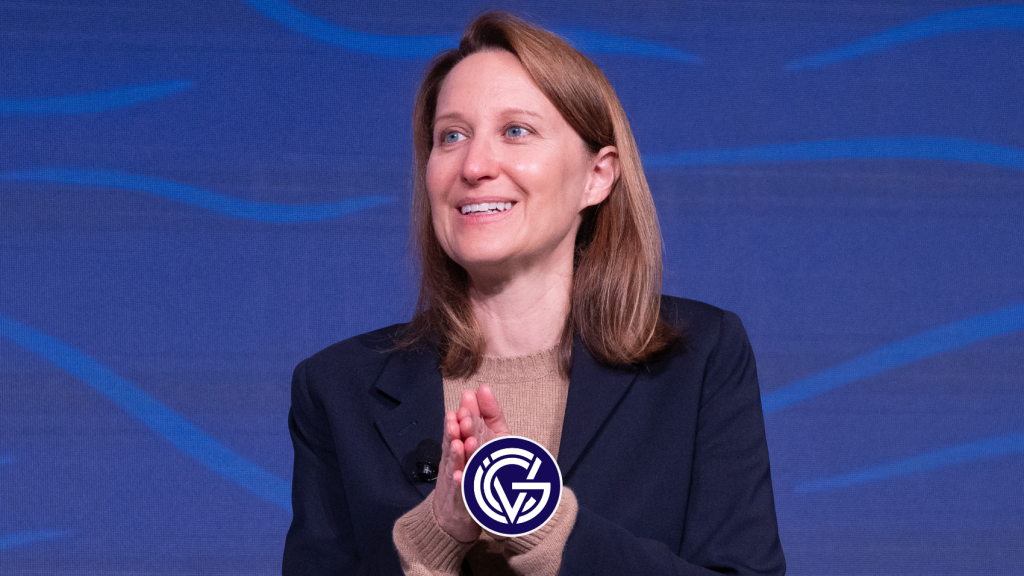
Corporate venture capital is one of the strongest tools that companies have for navigating the disruption caused by artificial intelligence, Michelle Gonzalez, global head of Microsoft’s M12 investment arm told the GCVI Summit in Monterey last month.
“Where in the past maybe it was a nice-to-have, I think now it’s a necessity as there’s this massive disruption in front of us,” she said. “This AI moment upended so many plans. Now it [is a] board level conversation of ‘How can we get ahead? Where is the puck going? What are the icebergs ahead?’
Gonzalez says that in a landscape where companies are emerging rapidly — “companies that didn’t exist 12 months ago making $100 million in annual revenue” — a corporate venture team deeply involved in the ecosystem of cutting-edge startups can provide the best guidance. It is the kind of proprietary intelligence that is hard for a company to get any other way.
Getting into the best AI deals requires effort — even from Microsoft.
M12 has a strong track record for investing in some of the most promising new AI companies, with investments in d-Matrix, Typeface, and WorkBoard, for example. But Gonzalez says a place on the cap table of celebrated startups is never a given, even for a tech giant like Microsoft.
“For the hottest deals with the top tier VCs, there’s a lot of folks competing to get into these rounds. There’s not that much room and so we do sell and we come prepared with what we think we can do for the company,” she told the GCVI audience.
What Microsoft offers is extensive. What startups usually want from a corporate partner is a commercial relationship or assistance in commercialising. Founders specifically seek out Microsoft for technical and market-entry support, says Gonzalez.
“A lot of them ask for GPUs, access to expertise, go-to-market support, figuring out how to sell to the enterprise,” she says.
In response, Gonzalez has built a team that focuses heavily on this kind of support following an investment.
“Almost half of our team is focused on the success of our portfolio companies. So we have six dedicated folks,” she says, describing it as a kind of “concierge service” to help companies navigate Microsoft to get access to technology and assistance.
Startups are assigned a specific person to help them bridge the gap with the parent corporation. The team is structured around specific domains to provide deep insights, with experts dedicated to areas such as cybersecurity and infrastructure.
Read the briefing notes and watch video replays of all the sessions at the GCVI Summit 2026 here:

Maija Palmer
Maija Palmer is editor of Global Venturing and puts together the weekly email newsletter (sign up here for free).