Biopharma company MSD has taken considered bets on healthcare AI, from drug discovery platforms to diagnostics. Here's why the team's AI lead, David Rubin, sees tiny human tissue models as the next emerging area.
The investment arm of biopharmaceuticals company MSD, the Global Health Innovation Fund, is already reaping the returns from some of its early investments in AI, including the $1bn acquisition last week of its portfolio company, AI diagnostics specialist PathAI, by Roche.
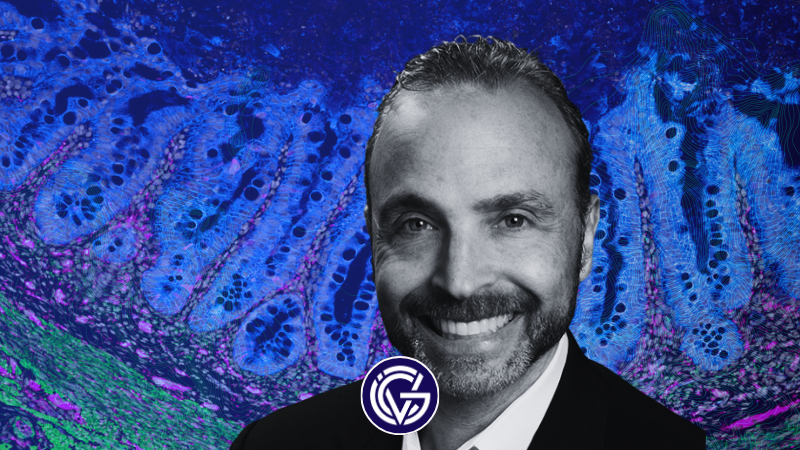
The Global Health Innovation Fund had been an early investor in PathAI, backing it in 2019 after recognising that the startup had the potential to transform the way cancer is diagnosed and treated. But it is only one of a series of carefully considered investments across AI by David Rubin, managing director at GHIF (pictured above), who leads on this strand at the unit.
MSD is backing AI companies with the potential to transform everything from drug discovery to clinical trials and diagnostics. But one emerging area that Rubin is beginning to get most excited about is organoids — tiny 3D models of human tissues — which have the potential to change the way new drugs are tested.
They promise to replace large parts of animal testing with in‑vitro systems that behave more like real human organs, made tractable by automation and analytics, including AI. Organoids have been on Rubin’s wish‑list for years, but until recently the technology didn’t work well enough to justify serious capital.

Maija Palmer
Maija Palmer is editor of Global Venturing and puts together the weekly email newsletter (sign up here for free).