Outpatient surgery can be up to 60% cheaper and produce better outcomes than hospital procedures, but the market is fragmented. Oliver Keown wants to fix that.
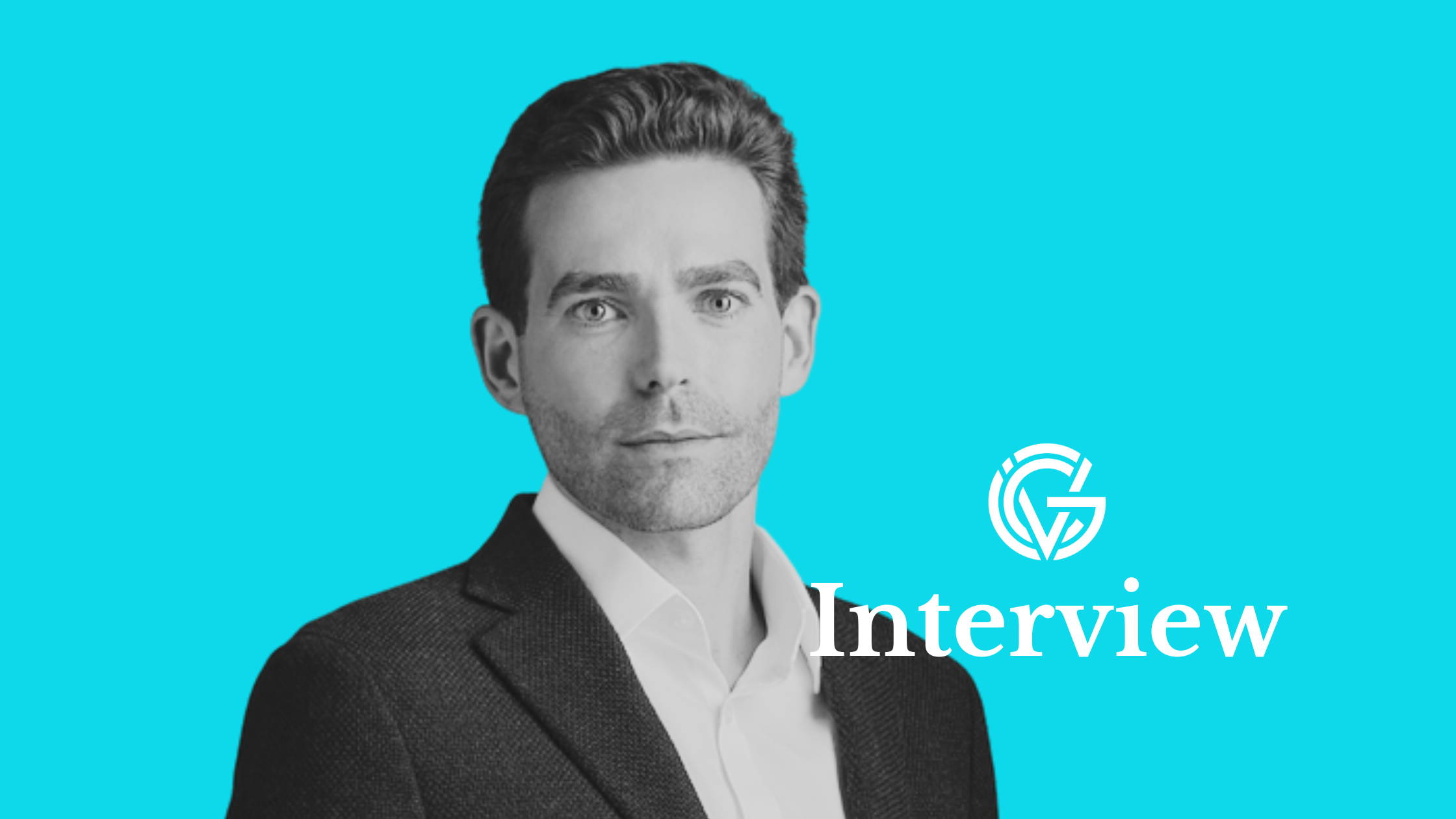
Oliver Keown started as a surgeon then moved to become an investor until an idea about rethinking the outpatient surgery market led him to take the leap to becoming an entrepreneur himself.
Keown was a founder and managing director of Intuitive Ventures, the CVC arm of minimally invasive surgery company Intuitive, when he started having to fight the fear of missing out (FOMO) in conversations with other startup founders.
“I got to a point where I was nervous that I would receive a pitch for this idea that had been bubbling up. And so, I felt at a certain point that’s probably a strong signal that I need to go and tackle it myself,” Keown tells Global Corporate Venturing.
He believed that someone needed to take a systematic approach to surgery by combining new technology, expert surgeon skills, flexibility and lower cost. “I felt that I had that opportunity to do it, and it was the right time in my life and career to take that risk,” Keown says.
This is how the idea of Oath Surgical came about, a Portland, Oregon-based startup operating tech-powered physical outpatient surgery centres which use proprietary software to streamline the whole process from pre-operative referrals to post-operative recovery.
Oath Surgical recently emerged from stealth and secured over $10m in funding from Oxford Science Enterprises, Black Opal Ventures, Rogue VC, Tau Ventures, First Spark Ventures and other investors, acquiring two surgical centres in Portland, with a third centre in development.
The outpatient surgery trend
Keown who had originally trained as a surgeon in the UK, developed the idea for Oath Surgical in response to what he was seeing in the US healthcare market.
He saw new surgery evolve as new technologies were pioneered in the operating room, but overall care was still fragmented. Patients lacked a central point of contact when visiting different practitioners and legacy software meant the data sat in silos.
At the same time, in his role at Intuitive Ventures, Keown saw the growing trend of outpatient surgery emerge in a bid for lower cost and higher quality, safe surgical experience.
Even before the pandemic, there was a trend to move routine surgery from the hospital into outpatient clinics, and this is projected to continue. The popularity of ambulatory surgery centres (ASC), healthcare facilities providing same-day surgical care is expected to grow from $36.69bn (in 2021) to $58.85bn by 2028, at a 7% compound annual growth rate (CAGR), according to a 2022 report.
When given the choice, more patients are opting for smaller outpatient care facilities for surgeries citing lower costs, flexibility in scheduling and more personalised care from physicians and staff, IQVIA MedTech data has also suggested.
Outpatient clinics don’t usually require overnight hospital stays and are billed differently by US health insurance programmes, which means procedures like hysterectomies, hernia repairs as well as colorectal and urological procedures can be 40-60% cheaper when done in an outpatient clinic.
So Keown saw an opportunity for Oath to “bridge the physical and the digital” gap by developing the first full-stack operating system for outpatient surgery integrated in their outpatient centres. The platform incorporates proprietary AI technology-assisted charting to automate the administrative processes including recovery follow-ups.
Oath Surgical, which opened doors to the first two of its surgical centres in Portland, Oregon, last month, is also created to be surgeon-centric, bringing in a community of surgeons and attracting providers who are looking for partnership and development of long-term careers in the outpatient setting.
“We can deliver a premium experience and premium technology interface at a fraction of the cost. And that is a powerful thing.”
Doing his medical training in the UK’s public National Health System (NHS) taught Keown that high quality healthcare doesn’t have to be expensive. “And I’m trying to bring that philosophy to what we’re doing in the US here with the Oath model, that we can deliver a premium experience and premium technology interface at a fraction of the cost. And that is a powerful thing,” Keown says.
“We are unique in terms of bringing those elements together and creating a platform for outpatient surgery that is partnered with surgeons, as we’re looking to grow their career and their practice, providing tools and technologies,” Keown says.
The business model gives surgeons a stake in the centres they operate in, tools to track and improve performance and support to participate in value-based care programs — helping them earn more while keeping control over how they practice.
From a technology perspective, adding AI solutions and new digital tools can see companies struggle if they are layering novel technology onto a historically disjointed system which must be rebuilt to work in a smarter way.
This is part of Keown’s firm belief that the future of surgical care is outpatient, with legacy and historic systems that have been delivering fragmented, inefficient care transitioning to a network of lower-cost outpatient surgical centres.
“Patients get discharged the same day, they have a great experience and typically better outcomes as we measure and demonstrate quality of providers. And so, these advantages compound,” Keown says.
The outpatient vision is not restricted to US
Keown might have been able to develop the idea inside Intuitive Ventures, but in the end decided it was better to strike out on his own.
“I wanted to work at my own pace. And I wanted to build this company with the vision that I had. But for other entrepreneurs and CVCs it can be a wonderful way to build value within a maybe slightly de-risked environment, I certainly see the advantages of that alternative path too.”
At the same time, he acknowledges that “nothing really prepares you for the pace, the energy, the viscerality of building and operating a startup, and the highs and lows of building a team. So it was truly an exciting and fun experience to make that transition.”
Currently, the Oath team is launching a national network of surgeons, affiliated surgical centres and partners around transformative value-based surgery.
While the model is customised to the US medical system, Keown says it could be expanded to work in markets like the UK in the future as care shifts to a more surgeon-centric, patient-friendly, lower-cost and technology forward way.
Especially as one of Oath Surgical’s backers is Oxford Science Enterprises, an investment fund affiliated with UK’s Oxford University, “in the years to come, it’s certainly an exciting opportunity for us to grow and bring that model there too.”
GCV has an LP position in Black Opal.