Tulum Energy, spun out of industrial group Techint, has developed a technology that creates emissions-free hydrogen at similar costs to hydrogen based on fossil fuels.
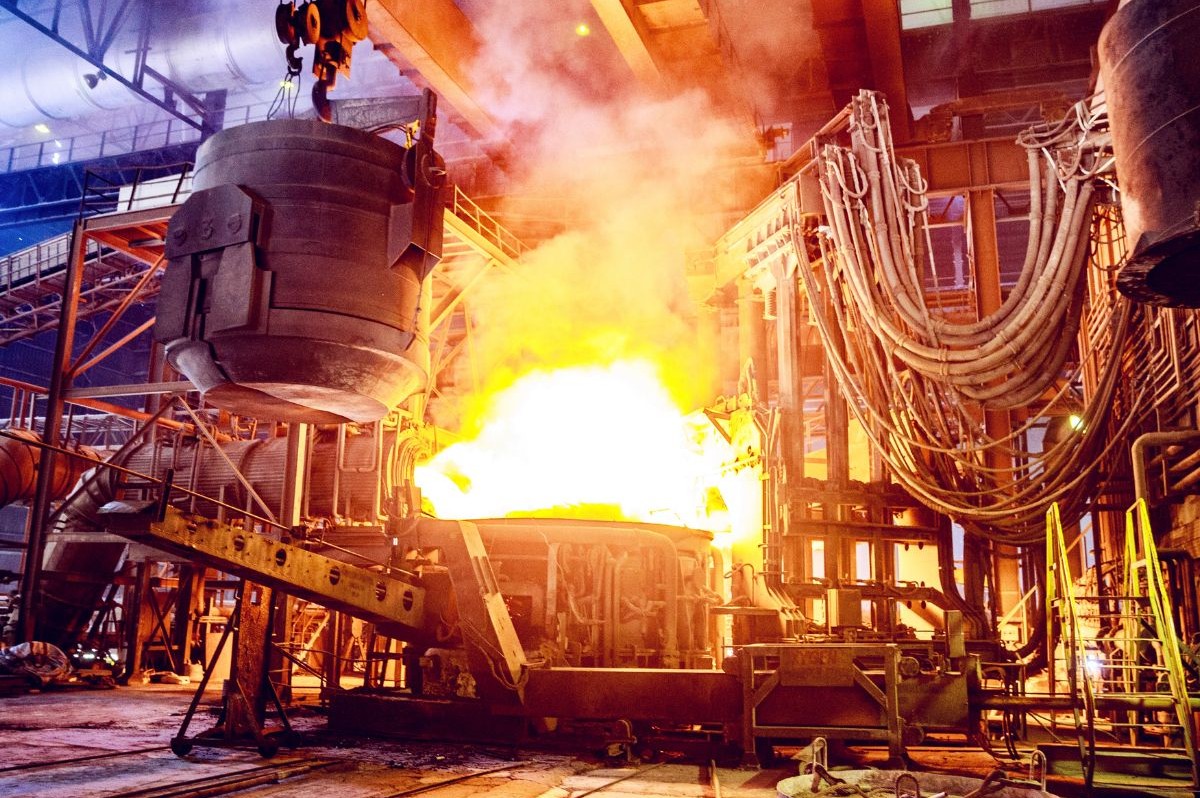
A new corporate-backed startup that repurposes electric arc furnaces to create almost emission-free hydrogen could hold the key to cutting the high production costs that have been a barrier to the adoption of sustainably-produced hydrogen as a fuel source.
Tulum Energy, a company spun out of Italian industrial group Techint, already has backing from a large number of corporate investors.
It raised $27m in seed funding in a round co-led by CVC TDK Ventures and CDP Venture Capital. TechEnergy Ventures, the investment arm of Tecpetrol, a subsidiary of Techint; MITO Technology; and Doral Energy Tech Ventures, the CVC arm of Israeli clean energy developer Doral Group, also participated in the round.
The technology uses electric arc furnaces, commonly used to melt scrap steel, to burn methane, or natural gas, to produce hydrogen and solid carbon. This type of methane pyrolysis is also known as turquoise hydrogen and differs from green hydrogen which is produced using renewable electricity.
While methane pyrolysis does not emit greenhouse gases, it is not considered completely emissions free as methane escapes upstream in natural gas infrastructure such as pipelines.
The startup is partnering with Tenova, a Techint Group subsidiary which makes electric arc furnaces and other specialised steel production systems. Tenova will support Tulum’s commercialisation by providing access to its industrial customers and its supply chain equipment.
Cheaper than green hydrogen
Clean hydrogen technology has fallen out of favour with investors because of its high costs. But Tulum’s technology could be seen as a viable alternative to green hydrogen as it can produce mostly emissions-free hydrogen at a similar cost to hydrogen produced using fossil fuels.
Costs of the technology are partly kept down because Tulum is essentially repurposing electric arc furnaces, a mature and scalable industrial technology, which could provide a cheap way to decarbonise heavy industries.
“This is such an exciting way of producing hydrogen, because it takes five times less energy than green hydrogen,” says David Delfassy, investment director of TDK Ventures team in London. “It’s a technology that’s been used and matured over 100 years, and by now it is pretty affordable from a capital perspective.”
The hydrogen market is worth $125bn, yet green hydrogen represents only 1% because of its high costs. Tulum’s target customers are large industrial users of hydrogen such as steel producers, chemical plants, ammonia producers and oil refineries. Other potential users are makers of hydrogen vehicles and the aviation sector, which uses hydrogen as a feedstock for sustainable aviation fuels.
“If you can deliver clean hydrogen at the same price and scale as what people are buying it at today, people will buy it because it is cleaner. What we saw with Tulum is the first example of a technology that has the potential to achieve that,” says Delfassy.
Built by a corporate
It is rare for corporates to successfully spin out a venture that is based on technology developed internally. Tenova unintentionally discovered that it could produce hydrogen through its electric arc furnace technology. It worked with CVC arm TechEnergy Ventures to create a new company that is independent of its parent and can attract external investors.

Andrea Siciliani, investor at TechEnergy Ventures, told GCV about the venture that would become Tulum Energy in this webinar back in February 2024.
The fact that the startup is associated with a corporate had a strong bearing of TDK’s decision to invest, says Delfassy.
“Tulum needs to prove that they can repurpose this technology for a new use case but having the partnership of Tenova is invaluable to do that because they’re the market leader for that technology. That corporate link and corporate partnership are extremely important for our investment thesis,” he says.
The seed funding will be used to build a pilot plant in Mexico in the industrial complex of Ternium, a steel producer. Ternium will host the pilot plant and has an interest in using hydrogen for making direct reduced iron used in steelmaking.
TDK Ventures is exploring ways that its parent, TDK, a Japanese maker of electronic components, could collaborate on the pilot. The company makes power electronics equipment that could have application in the electric arc furnace technology.