LG Nova's platform offers an AI model that can be easily adapted to different business ideas. The company has developed this as part of a push to focus more on creating AI-first ventures.
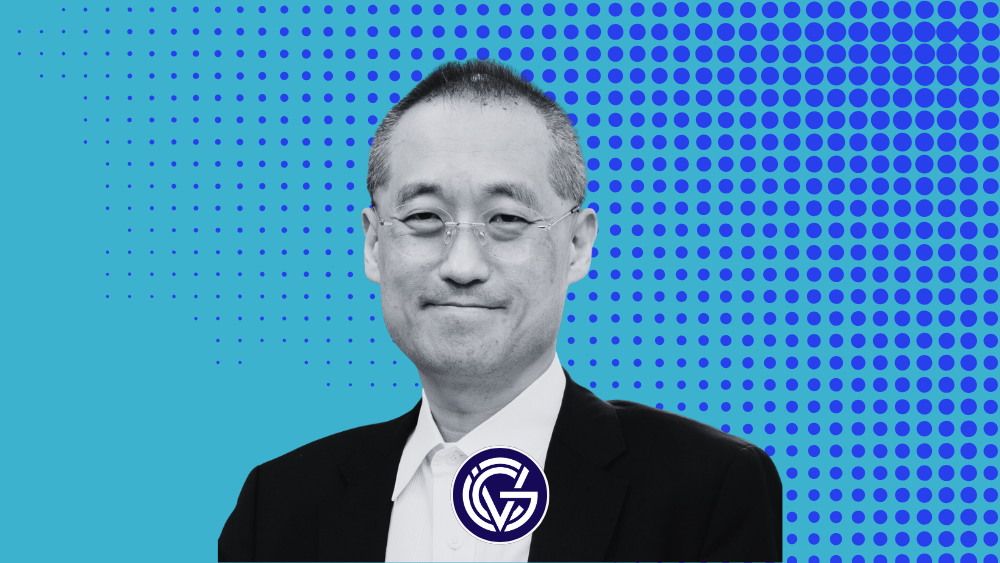
South Korean conglomerate LG is refocusing its venture building arm, LG Nova, towards AI-first ventures and is hoping to attract entrepreneurs with a specialised artificial intelligence software platform, according to Sokwoo Rhee, head of the unit.
California-based LG Nova has built companies for LG for some five years, operating a model where entrepreneurs-in-residence (EIRs) team up with the company to create new biotech, cleantech and transformational AI businesses. But as it decided to become AI-first, the unit realised that it could gain a sizeable advantage by offering a platform tailored to creating AI businesses.
“We began to realise is that every venture needs a slightly different kind of AI,” says Rhee. “When you’re building ventures, every venture is different and the operations for their target markets different.
“We’ve been using AI all along anyway, but we’ve been seeing opportunities [in that] the generic chatbots or LLMs out there don’t necessarily provide a level of specialty and specific domain expertise for the ventures we produce.”
While some startups may use large language models (LLMs) they have licensed from, say, OpenAI or Anthropic, those LLMs tend to be generic. LG’s platform is designed to be versatile, customisable and highly adaptable, so that it can be combined with an EIR’s expertise and specialised skillset to create a model that has been tailored to work in their sector, with that expertise baked in.
“The EIRs come from all different backgrounds, they have their own business ideas and they have domain expertise they’re carrying with them, and we want that to inform the AI and the AI they use in their products,” explains LG Nova’s director of engineering, Erin Kim.
“We want them to focus on their domain expertise and curating what we’re calling knowledge bases. These knowledge bases can be populated with their own research or research they find is relevant to their business, it can be powered by their own customer data and just learnings they find on the way and paradigms they’ve observed in the market. We’re going to take this knowledge base and [enable it to] provide context to the AI and the LLMs they use.”

Our Venture Building 2025 report tracks trends in corporate venture building globally.
LG Nova has so far launched four ventures, all of which have some link to AI: ReliefAI helps patients manage their mental health between therapy sessions, Primefocus Health helps patients follow personalised health plans, Pado orchestrates data centre energy use and OnVibe has built an AI tool that helps content creators develop and automate their social media presence.
Rhee says the ventures are typically provided with about $4m to $5m of seed financing, through a partner fund called NovaWave Capital in which LG is the largest limited partner.
The corporate takes an average of about 50% of equity in each venture, and although that can be diluted later, Rhee stresses that this does not mean LG Nova is just generating spinoffs. It intends to create an average of two new operational businesses per year through the new initiative, and these AI-first entities are intended to become substantial parts of LG.
“We believe AI can provide disruptive changes to all the industries we are looking at: healthcare, cleantech, cybersecurity, enterprise and so on,” he says.
“We want to build new businesses. LG is not just electronics; it has about 63 or 64 companies under LG umbrella and about 13 of them are public companies. We are trying to build the 14th and 15th.”