In the latest edition of GCV Blueprint, editor Maija Palmer comments on the market implications of a multibillion dollar flotation for SpaceX and Anthropic.

And so, this week, the world holds its breath to see if Elon Musk’s SpaceX really will pull off a record-breaking IPO raising $75bn and achieving an estimated market valuation of $1.77tn. This would beat the record set by Saudi Aramco, which was valued at $1.7tn when it floated in 2019.
At the same time Anthropic has filed for an IPO, with a valuation expected to be in excess of $1tn. OpenAI has yet to file but many are predicting an IPO in 2027, again at a valuation north of $1tn.
A lot is riding on these listings. If the stocks do well, it will justify the recent AI boom and reassure investors growing queasy at the expensive price tags on private funding rounds. Alphabet, which owns significant stakes in both SpaceX and Anthropic, will benefit to the tune of around $100bn from SpaceX and $135bn from Anthropic. Even for Alphabet these kinds of returns are significant – around double one year’s net profits. Those gains will be held up as examples that corporate investment can deliver gargantuan paydays as well as strategic benefits, and this may encourage others.
Lacklustre IPO performance, on the other hand, may cast a chill and lengthen the exit freeze that investors are hoping to see ending. As GCV CEO Jim Mawson wrote in a piece about the IPOs last week, it remains to be seen if public markets have the ability to provide so much liquidity — especially when Alphabet is itself, separately, also raising more money from share sales.
The thing about IPOs is that they bring a lot of previously unseen detail out, and investors have seen the brutal reality of SpaceX’s AI losses. While the Starlink division makes a profit, the AI operations lost $2.47bn in 2025 while producing $818m in revenue. When Anthropic’s S-1 filing becomes public, the number everyone is waiting to see is the gross margin, which no one outside Anthropic has ever seen, says Harrison Rolfes, PitchBook’s senior late-stage company research analyst. It will, he says “either validate or collapse the entire narrative the private markets have been pricing for three years”. If institutional investors don’t agree with pricing frontier AI in the same way, there will be a ripple effect across valuations, with OpenAI and many others likely having to adjust their pricing.
“Two trillion-dollar-scale filings in two weeks represents the largest concentration of pre-IPO capital ever brought to market simultaneously, and the 2026 window either becomes the most consequential IPO cycle since the dot-com era or the most expensive lesson in narrative-versus-fundamentals that public markets have ever taught,” says Rolfes.
The mega-IPOs could also suck some of the air out of the public markets. Already analysts are noting that incumbent stocks in the aerospace sector, like Boeing, Lockheed Martin and RTX are underperforming, as are telecoms stocks like AT&T, Verizon and T-Mobile down, in anticipation of SpaceX coming in to dominate in these business areas.
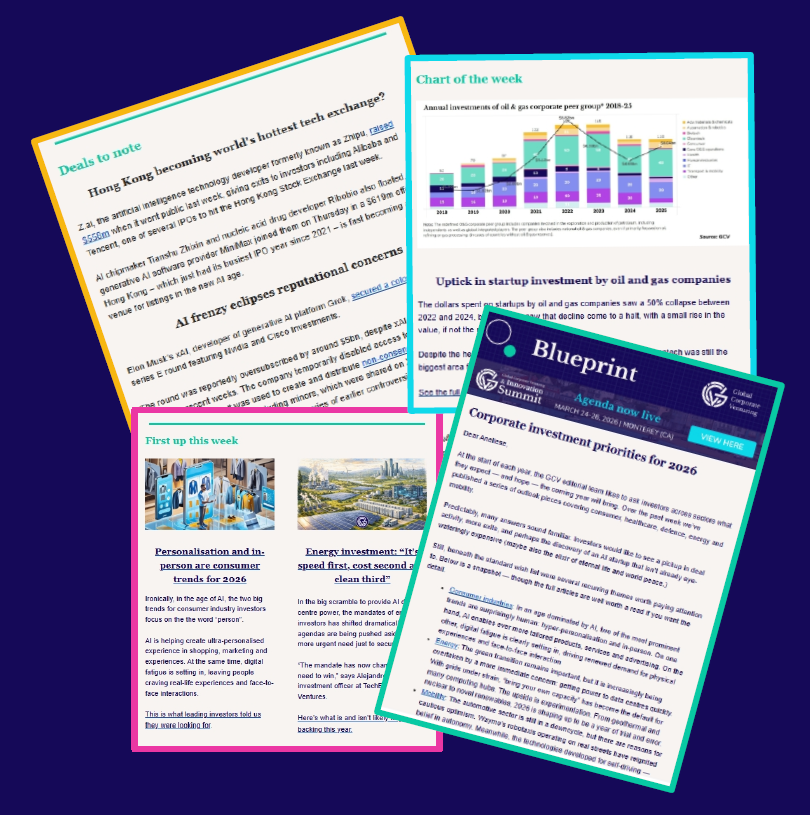
This editor’s note was first published in GCV’s Blueprint newsletter, which tracks corporate venture news, key deals, new funds best practice and jobs.
Want to get Blueprint directly in your inbox every Monday? Sign up for free here.

Maija Palmer
Maija Palmer is editor of Global Venturing and puts together the weekly email newsletter (sign up here for free).